- Region
- East Asia
- Country
- Japan
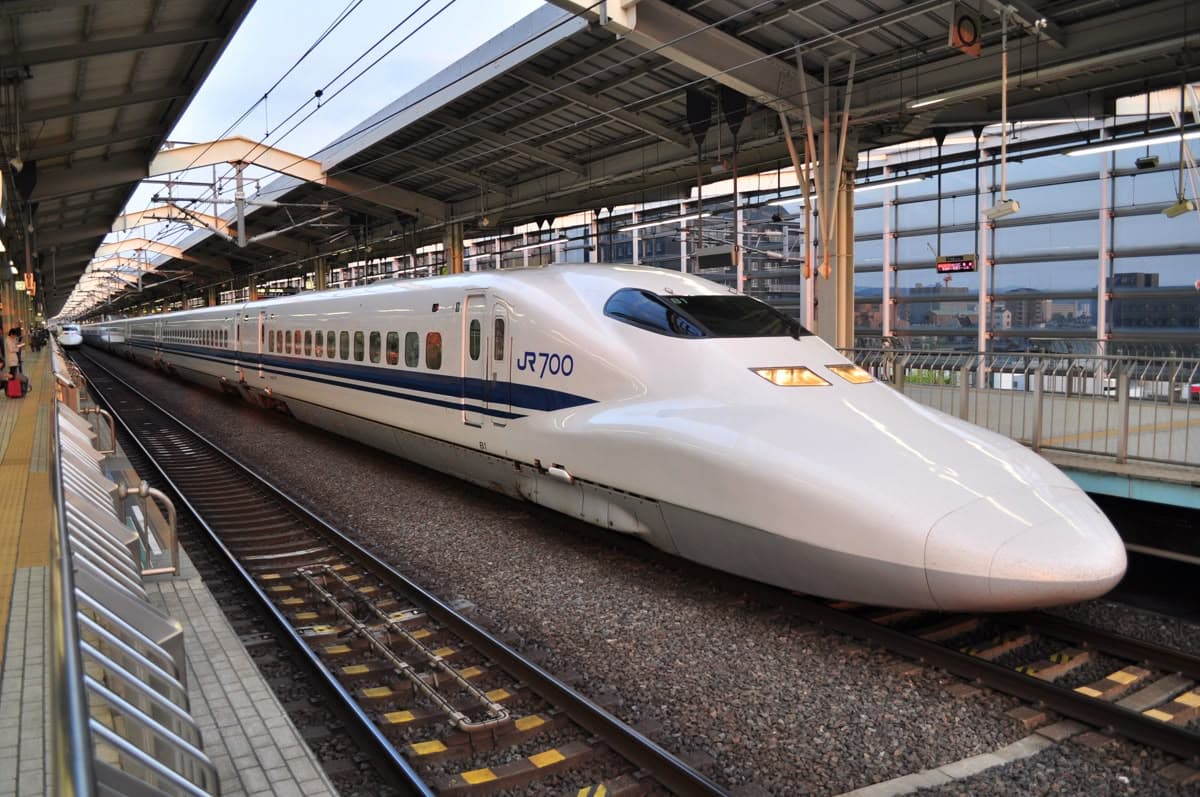
Launched in 1964, Japan’s Shinkansen became one of the pioneers of modern high-speed railway travel. Today, trains such as the N700S combine speeds of up to 285 km/h on the Tokaido Shinkansen with advanced safety, comfort and energy-efficient technology.
Full detail page content: Japan’s Shinkansen, commonly known around the world as the Bullet Train, is one of the most influential railway systems ever developed. The Tokaido Shinkansen began operation in 1964, connecting the major metropolitan areas of Tokyo, Nagoya and Osaka and introducing large-scale high-speed rail travel to the world.
Modern Shinkansen trains combine high speed with impressive reliability and passenger comfort. JR Central states that the Tokaido Shinkansen operates at a maximum speed of 285 km/h, while the N700S can reach 300 km/h on the Sanyo Shinkansen.
The N700S, introduced into commercial service in July 2020, represents a major evolution of Shinkansen technology. It features improved safety, stability, comfort and environmental performance. One particularly notable innovation is a battery-powered self-propulsion system that can help move the train at low speed under certain emergency conditions.
The Tokaido Shinkansen is also famous for its operational reliability. JR Central reports that approximately 7 billion passengers have used the route since its inauguration. The railway has played an important role in connecting Japan’s largest economic centres and has influenced the development of high-speed rail systems throughout the world.
Today, the Shinkansen represents much more than speed. It is a global symbol of efficient railway engineering, precision operations and modern passenger transportation.